RESPONSIVE WEB UI
Responsive web design ensures that the user interface (UI) of apps dynamically scales and adapts to fit a wide variety of devices, screen sizes, and browsers. It has become a standard practice in modern web development, offering flexibility and accessibility across platforms.
Responsive design involves crucial considerations to ensure a seamless user experience, such as determining where to place page elements in landscape vs. portrait modes or how content adapts across desktops, smartphones, tablets, and even smart TVs. Essentially, a responsive UI requires unique approaches to accommodate varying resolutions, orientations, and devices.
Adapting to Every Device
Today’s users expect web apps to work effortlessly on mobile devices, and with the ever-growing diversity of screen sizes and resolutions, adaptability is essential. From tablets and smartphones with landscape and portrait modes to cutting-edge retina displays, your app must provide a consistent and optimized experience regardless of the device.
To achieve this, questions arise:
- Should you design for a specific resolution?
- Should you rely on JavaScript to calculate and adjust for different view sizes?
- Or should your app utilize a responsive approach, where the code itself dynamically adapts to device and browser information?
The answer lies in leveraging responsive design principles to ensure your app is equipped to handle all scenarios, making it functional, accessible, and visually appealing across all platforms.
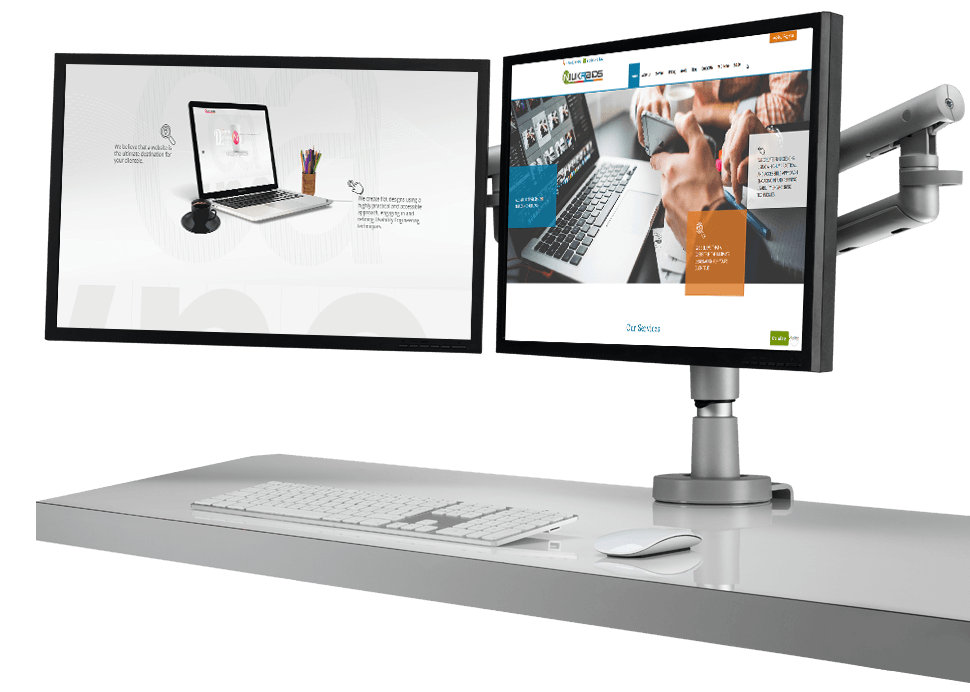
Staying Ahead with Niukraids
At Niukraids, staying ahead of the competition drives everything we do. That’s why we place a strong emphasis on front-end development tailored to our clients’ needs. We create responsive UIs that:
- Adapt fluidly to all devices and orientations.
- Provide consistent functionality across varying screen resolutions.
- Enhance the user experience by allowing seamless editing of web pages, profiles, products, and events directly from the front end.
- Maximize efficiency in development and content management processes.
Our focus on responsive web design empowers businesses to deliver exceptional user experiences while ensuring their web apps are future-ready for the ever-changing digital landscape. With Niukraids, your app doesn’t just keep up with technology—it sets the standard.
Being a head of our competition is important to us, that is why Niukraids places a strong focus on front-end development in relation to our client’s websites. The ability to edit web pages, profiles, products and events from the front end of a website improves user experience while maximizing efficiency in the editing process.

Key UI Considerations
When designing a website, it’s essential to leverage the enhanced capabilities of desktop sites to provide users with additional functionality. A well-structured desktop experience should encourage users to transition from mobile or tablet views to a full-featured desktop version, offering more interactive elements and richer content.
Optimizing the Desktop Experience
From a user experience (UX) standpoint, desktop designs should be:
- Flexible & Scalable – Ensuring layouts adapt smoothly across varying screen sizes.
- Keyboard & Mouse Accessible – Providing seamless navigation for traditional desktop users.
- Optimized for Different Devices – While netbooks may be less common today, they are still in use, and websites should remain functional across all desktop-like environments.
By focusing on accessibility, usability, and adaptability, websites can deliver a superior experience across both mobile and desktop platforms, ensuring users gain maximum value and engagement regardless of how they interact with the site.